The Myth of the Rational Investor
Why Investors Feel Rational… But Rarely Are
For decades, traditional finance has been built on a comforting assumption: investors are rational.
They analyze information objectively.
They weigh risk and reward logically.
They make decisions that maximize their long-term outcomes.
It’s a clean, elegant idea. It also happens to be deeply flawed.
Because in the real world, investors are not spreadsheets. They are human.
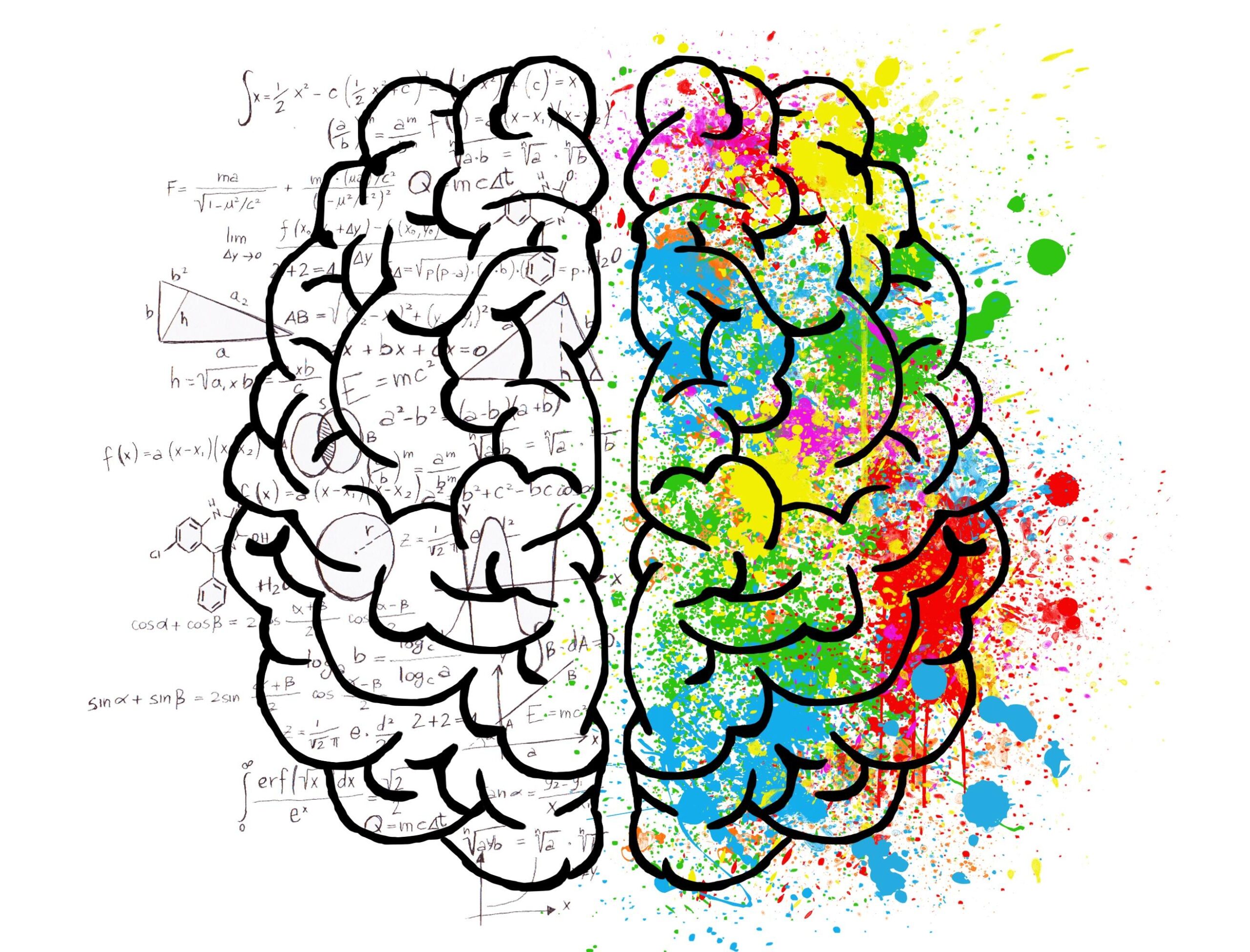
And humans are anything but rational.
The Story We Tell Ourselves
Most investors believe they are logical decision-makers.
They think:
- “I bought this stock because the fundamentals made sense.”
- “I sold because the valuation got too high.”
- “I’m holding because it’s a long-term investment.”
But something subtle happens beneath the surface.
Decisions are often made emotionally first…
and justified rationally afterward.
Consider Daniel.
Daniel works in finance. He follows the data, studies markets, and prides himself on discipline. He believes he’s a rational investor.
During a strong rally, he increases his position in a fast-growing tech stock. He tells himself it’s about fundamentals and future growth.
But in reality:
- The stock had already surged
- Everyone was talking about it
- He didn’t want to miss out
When the stock drops, Daniel holds. He points to the fundamentals.
But beneath that logic is a quieter truth: he doesn’t want to be wrong.
Daniel isn’t irrational in an obvious way.
He’s irrational in a convincing way.
And that’s what makes the myth so powerful.

The Rise of Behavioral Finance
Behavioral finance didn’t emerge because markets were broken. It emerged because the model of the investor was incomplete.
Classical financial theory assumes investors are rational—that they process information clearly and make decisions that maximize outcomes.
But real-world evidence showed otherwise.
Researchers observed consistent patterns:
- Investors sell winners too early and hold losers too long
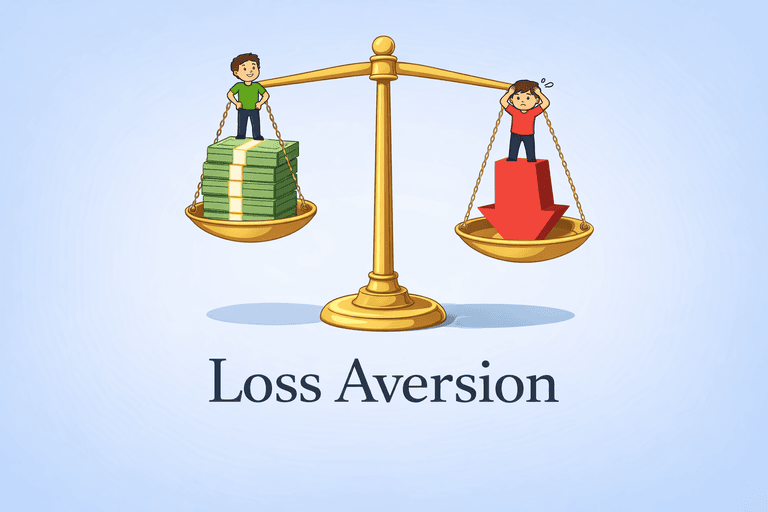
- Losses feel stronger than gains
- Markets swing between extreme optimism and fear
These weren’t random mistakes—they appeared repeatedly across markets and time.
Work by Daniel Kahneman and Amos Tversky helped explain why.
They showed that humans rely on mental shortcuts—fast, intuitive thinking that often leads to bias.
Behavioral finance reframed the investor not as perfectly rational, but as human—shaped by emotion, bias, and environment.
The key insight: investors aren’t irrational randomly.
They’re irrational in predictable ways.
The Illusion of Logic
What makes the myth so powerful is that irrational behavior rarely feels irrational.
It feels justified.
When markets are rising, buying more feels like confidence.
When markets are falling, selling feels like prudence.
When everyone agrees with you, conviction feels like intelligence.
But these feelings are often reflections of bias:
- Confirmation bias makes you seek information that supports your existing belief.
- Loss aversion makes losses feel more painful than gains feel rewarding.
- Recency bias makes recent events seem more important than they are.
None of these feel like “mistakes” in the moment.
They feel like logic.
The Environment Shapes the Investor
Investing doesn’t happen in isolation.
It happens inside an environment filled with:
- News cycles
- Social media
- Market noise
- Other people’s opinions
This environment amplifies emotion.
When everyone is optimistic, it becomes difficult to stay cautious.
When everyone is fearful, it becomes difficult to stay calm.
Even disciplined investors are not immune. They are simply better at recognizing the pull.
The myth of rationality ignores this entirely. It assumes decisions happen in a vacuum.
They don’t.
The Cost of Believing the Myth
Believing you are a rational investor can actually make you more vulnerable.
Why?
Because if you assume you are logical, you stop questioning your decisions.
You don’t ask:
- “Am I reacting emotionally right now?”
- “Is this decision driven by fear or by process?”
- “Would I make the same choice if the market looked different today?”
Instead, you trust your instincts—without realizing those instincts are shaped by bias.
The result is not just occasional mistakes. It’s systematic misjudgment.
A More Honest Framework
The goal isn’t to become perfectly rational. That’s not possible. We are all Daniel from before to some degree.
The goal is to become aware.
A more realistic investor framework looks like this:
- You accept that emotions will influence your decisions.
- You build systems to reduce their impact.
- You separate process from outcome.
- You focus on consistency, not perfection.
This shift is subtle, but powerful.
It moves you from “I am a rational investor”
to “I am a human investor managing my psychology.”
And that changes everything.
Final Thought
The most dangerous myth in investing is not that markets are predictable.
It’s that you are.
The belief in rationality creates overconfidence. It blinds you to your own patterns. It convinces you that your decisions are purely logical, when in reality they are deeply human.
The edge in investing does not come from being smarter than the market.
It comes from understanding the mind making the decisions within it.
Because once you stop trying to be a rational investor…
you can finally start becoming a better one.

Stefan Theron
Founder of Pathidon
Stefan holds a degree in Psychology and an MBA, and has spent years studying behavioral finance, market psychology, and the decision-making patterns that shape how people invest — bridging the gap between financial knowledge and human behavior.