
Broker Fees Explained for Beginners: Hidden Costs Every Investor Must Know
A simple breakdown of trading fees, hidden costs, and what beginner investors often overlook
When you first start investing, one of the first decisions you’ll make is which broker to use.
A broker is simply the platform that allows you to buy and sell investments — like stocks, ETFs, or funds.
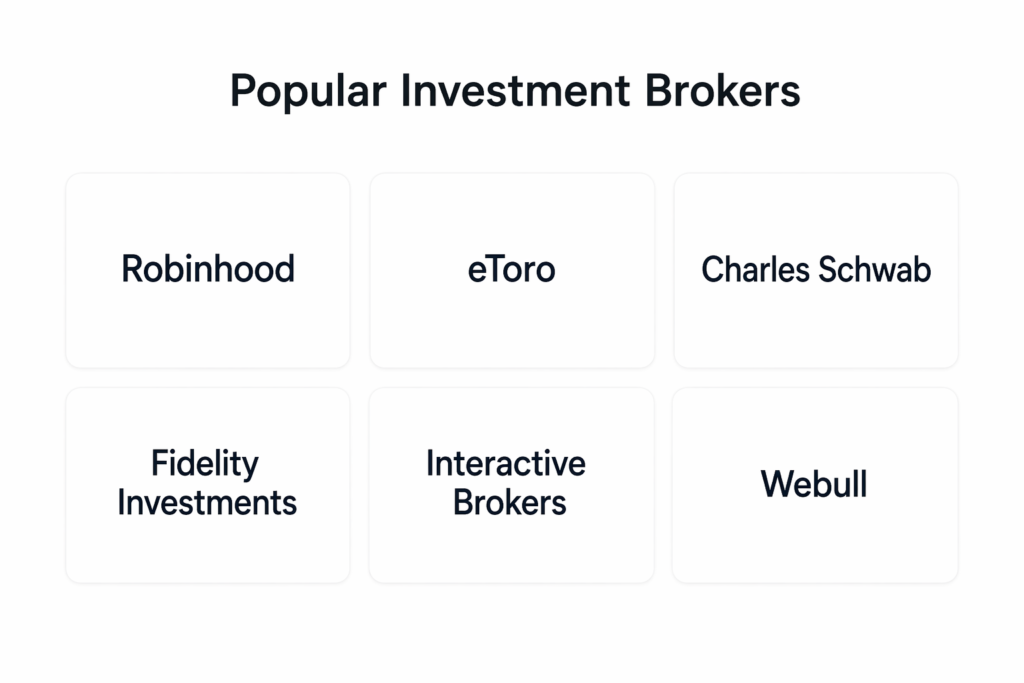
Each of these platforms offers slightly different features, markets, and pricing models. Some focus on simplicity, others on advanced tools — but they all have one thing in common:
They charge fees in one way or another.
At first, these fees can seem small — or even invisible. But over time, they can quietly reduce your returns if you’re not aware of them.
The goal of this guide is simple:
To help you understand the most common broker fees in plain language — and what to pay attention to before they catch you off guard.
What Are Broker Fees?
A broker fee is simply what you pay a platform to help you buy, sell, or manage investments.
Think of it like this:
If investing is the journey, your broker is the vehicle —
and fees are the cost of using it.
Some brokers advertise “zero fees,” which can be true in certain cases. But in reality, there are often multiple types of fees, and not all of them are obvious.
1. Trading Fees (Commission Fees)
This is the most well-known type.
A trading fee is what you pay each time you buy or sell an investment.
Simple example:
- You buy shares of a company
- The broker charges a small fee for executing that trade
Some platforms may offer zero commission trading on certain assets, while others still charge a small amount per trade.
Even if the fee seems small, frequent trading can add up over time.
2. Spread Fees (The Hidden Cost)
This one is less obvious — and often misunderstood.
The spread is the difference between:
- The price you can buy an asset for
- The price you can sell it for
Simple example:
- Buy price: $100
- Sell price: $99
That $1 difference is the spread — and effectively, a cost to you.
Some brokers (especially “commission-free” ones) make money mainly through this.
You don’t see it as a direct fee, but you still pay it.
3. Currency Conversion Fees
If you invest in foreign markets, this becomes important.
You’ll need to convert your local currency into another currency, and brokers usually charge a small percentage for this.
Simple example:
- You convert your money to USD to buy stocks
- The broker applies a small markup during conversion
This can quietly eat into returns, especially if you invest internationally often.
4. Account Maintenance or Platform Fees
Some brokers charge a regular fee just for having an account.
This could be:
- Monthly
- Quarterly
- Or annual
Not all brokers charge this — many modern platforms have removed it — but some still include it, especially traditional or full-service brokers.
Always check if there’s a “platform fee,” even if trading looks cheap.
5. Withdrawal or Deposit Fees
Moving money in and out of your account can sometimes come with costs.
Examples:
- Withdrawing funds to your bank account
- Depositing via certain payment methods
Some brokers offer free deposits but charge for withdrawals after a certain number.
It’s not always about investing — sometimes it’s about accessing your own money.
6. Inactivity Fees
This one surprises many beginners.
If you don’t use your account for a period of time, some brokers may charge an inactivity fee.
Simple example:
- You invest once, then leave your account untouched
- After a few months, a small fee is deducted regularly
This mainly applies to certain platforms, but it’s worth checking — especially if you plan to invest long-term and not trade often.
7. Premium Features and Data Fees
Some platforms offer advanced tools:
- Real-time data
- Research reports
- Advanced charting
These are sometimes free — but often locked behind a subscription.
Not essential for beginners, but easy to accidentally subscribe to.
Examples of Broker Fee Structures (Simplified)
Different brokers make money in different ways.
Example A (App-Based Broker):
- No trading fees
- Makes money from spreads and currency conversion
Example B (Traditional Broker):
- Charges per trade
- Lower spreads
- Possible account maintenance fee
Example C (Hybrid Platform):
- Free basic trading
- Charges for premium features and data
None of these are “bad” — they’re just different models. What matters is understanding which one you’re using.
What Should You Actually Watch For?
Instead of trying to memorize every possible fee, focus on a few key questions:
- How often will I trade?
→ Frequent traders should care about trading fees and spreads - Will I invest internationally?
→ Watch currency conversion costs - Am I a long-term investor?
→ Check for inactivity or maintenance fees - Am I using extra features?
→ Be aware of subscriptions and add-ons
The right broker isn’t the one with no fees —
it’s the one whose fees match your behavior.
Final Thought
Fees are a normal part of investing — and they’re not a reason to stay on the sidelines.
Most investors don’t fail because of fees.
But understanding them gives you an advantage.
Because while fees may seem small, they do add up over time.
And when you’re aware of them, you can make smarter, more intentional decisions.
The goal isn’t to avoid every fee — that’s not realistic.
The goal is to choose wisely, invest consistently, and stay focused on the bigger picture.
In the end, good investing isn’t about perfection.
It’s about making a series of slightly better decisions over time.And simply understanding fees is one of those small decisions
that can quietly work in your favor.

Stefan Theron
Founder of Pathidon
Stefan holds a degree in Psychology and an MBA, and has spent years studying behavioral finance, market psychology, and the decision-making patterns that shape how people invest — bridging the gap between financial knowledge and human behavior.