
The Guardian Investor: Why Safety-First Investors Build Wealth Differently
Why Some Investors Value Stability More Than High Returns
At Pathidon, we believe investing is deeply connected to personality.
Two people can buy the exact same investments and still experience completely different results — not because of intelligence, but because of how they emotionally respond to risk, uncertainty, volatility, and decision-making.
That’s why we believe there are five core investor personality types:
- The Guardian
- The Navigator
- The Explorer
- The Builder
- The Drifter
Each personality approaches investing differently. Some chase growth. Some seek structure. Some focus on long-term systems. Others prioritize emotional security and stability above all else.
The Guardian is one of the clearest examples of this mindset.
Rather than chasing hype or extreme returns, Guardians focus on stability, consistency, and protecting their financial future. Emotional security matters just as much as portfolio performance.

What Is a Guardian Investor?
The Guardian naturally prioritizes caution before risk.
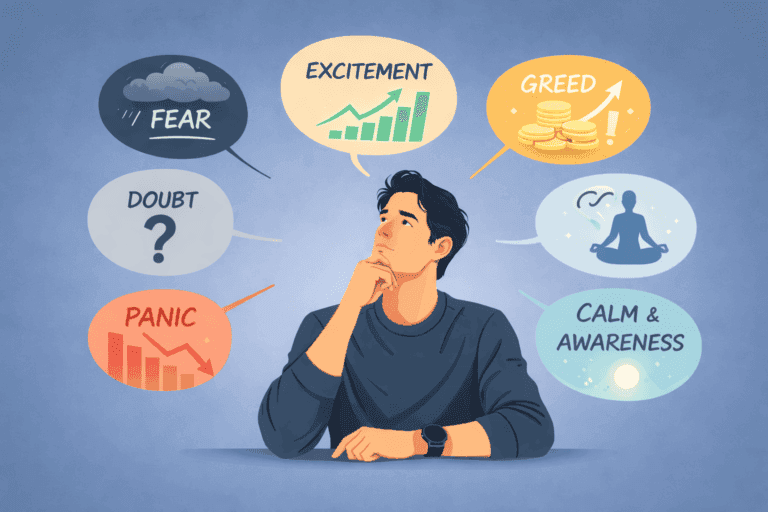
Losses often feel emotionally heavier than gains feel rewarding, which is why Guardians tend to ask questions like:
- “How much could I lose?”
- “What happens during a crash?”
- “Will this investment still feel safe during uncertainty?”
- “Can I stay calm holding this long term?”
They are not necessarily pessimistic investors.
They simply value stability more than excitement, and usually prefer calm, sustainable investing over high volatility and speculation.
How Guardians Usually Invest
Guardians tend to prefer investments that feel reliable, proven, and understandable.
They often lean toward:
- Dividend-paying ETFs
- Broad market index funds
- Bonds and fixed-income assets
- Stable blue-chip companies
- Real estate income investments
- Defensive sectors like healthcare or consumer staples
They are usually less interested in:
- Speculative growth stocks
- Meme stocks or hype-driven investing
- Short-term trading
- Highly concentrated portfolios
- Extreme volatility
For a Guardian, consistency often feels more important than maximizing upside.
Avoiding major losses is already considered a win.
A Real-World Example
Imagine someone nearing retirement after decades of careful saving.
They are no longer trying to aggressively grow wealth as quickly as possible. Instead, they want their portfolio to provide stability, income, and predictability.
So rather than chasing risky trends, they build a portfolio around:
- Dividend ETFs
- Broad index funds
- Bonds
- Income-producing assets
Even during strong bull markets, they resist the pressure to follow speculative investments because emotional security matters more to them than fear of missing out.
But Guardians are not only older investors.
A younger person can also become a Guardian because of:
- Financial responsibility toward family
- Past investing losses
- Growing up during financial instability
- Naturally cautious personality traits
Investor psychology is often shaped by life experiences just as much as age.
The Strengths of the Guardian
1. They Respect Risk
Guardians naturally think about downside risk first. This often protects them from reckless decisions and emotional investing.
2. They Value Consistency
They usually build portfolios they can realistically stick with during difficult markets — which is one of the biggest keys to long-term investing success.
3. They Stay Grounded
Guardians are often less influenced by hype, trends, and social media pressure. They focus more on stability than trying to “beat” everyone else.
The Biggest Challenges
1. Fear Can Prevent Growth
Some Guardians become so focused on avoiding losses that they avoid investing properly altogether. They may hold too much cash, wait too long to invest, or constantly search for the “perfect” entry point.
2. They Can Become Too Defensive
A portfolio built entirely around safety may struggle to grow enough over time — especially for younger investors with long time horizons ahead of them.
3. Volatility Feels Personal
Even normal market downturns can create emotional stress. Guardians may panic during corrections, constantly check their portfolios, or second-guess their strategy during uncertainty.
How Guardians Become Stronger Investors
Guardians do not need to become aggressive investors.
What helps them most is:
- Building confidence slowly
- Creating systems they trust
- Understanding the role of long-term growth
- Learning the difference between caution and fear
The goal is not to remove their desire for stability.
The goal is to create a portfolio where stability and growth can exist together.
Once Guardians understand this balance, they often become very disciplined long-term investors because they:
- respect risk
- stay patient
- avoid reckless behavior
- focus on sustainability
Their greatest strength is not aggression.
It’s durability.
Final Thought
Modern investing culture often glorifies speed and huge returns.
But stability is a valid investing goal.
A portfolio that helps you stay calm, consistent, and invested for decades is incredibly powerful. And when Guardians find the right balance between caution and growth, they often become very disciplined long-term investors.
Recommended Reading for Guardians
A book many Guardians naturally connect with is The Psychology of Money by Morgan Housel.
It focuses heavily on investor behavior, emotional decision-making, risk, and long-term thinking rather than complex financial strategies — which aligns closely with the Guardian mindset.
Disclaimer: This section may contain affiliate links, meaning Pathidon may earn a small commission at no extra cost to you.


Stefan Theron
Founder of Pathidon
Stefan holds a degree in Psychology and an MBA, and has spent years studying behavioral finance, market psychology, and the decision-making patterns that shape how people invest — bridging the gap between financial knowledge and human behavior.