
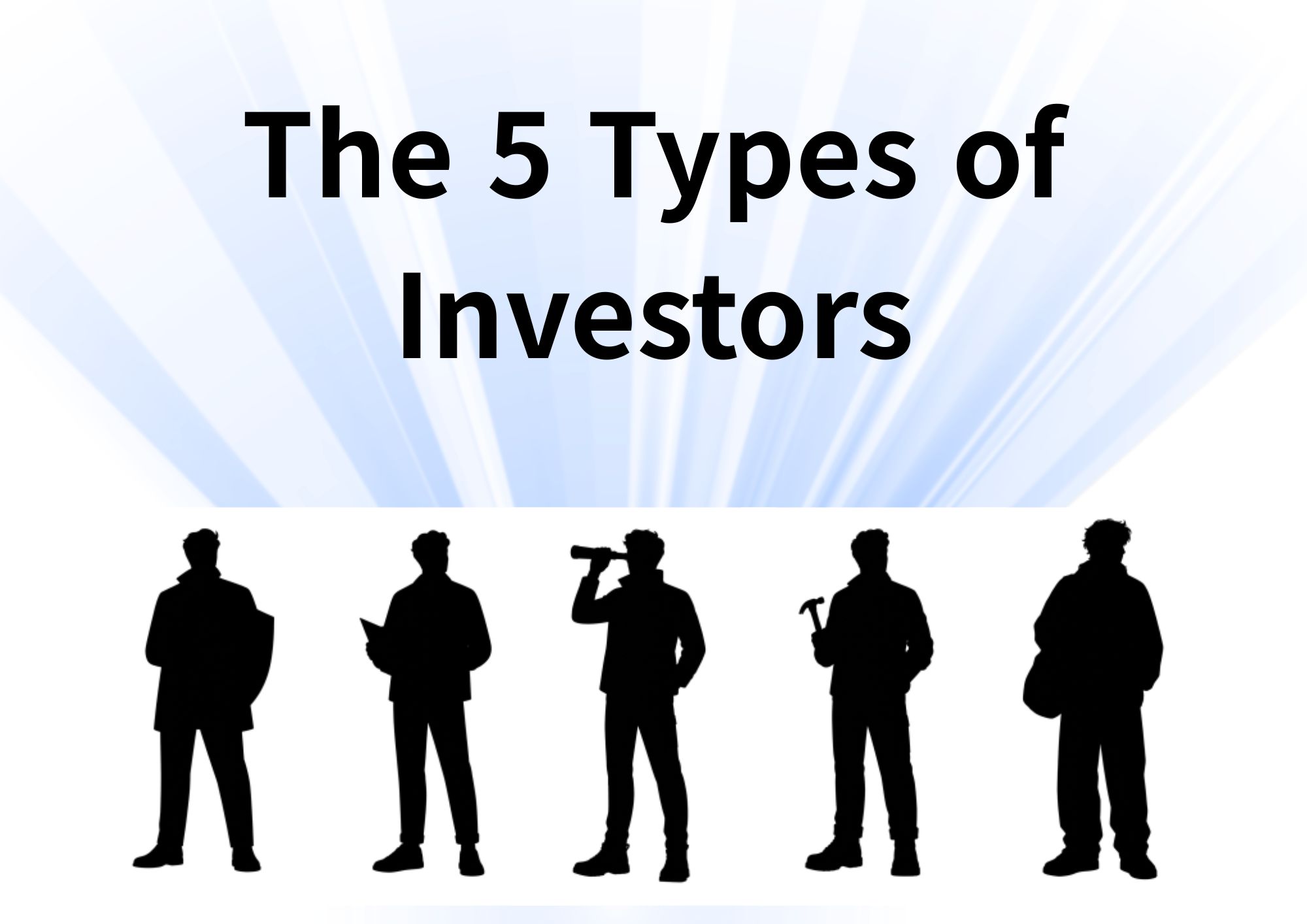
The 5 Types of Investors: Discover Your Investor Personality Before You Invest
Why Understanding Your Investor Personality Matters More Than Picking the Right Stock
Most people think investing is about what you buy.
Stocks. ETFs. Crypto. Real estate.
But over time, I’ve realized something far more important:
Investing is really about who you are.
Your behavior, your emotions, your tolerance for uncertainty — these shape your results far more than any single stock pick ever will.
Two people can invest in the exact same portfolio… and end up with completely different outcomes. Why?
Because they react differently when things go wrong.
At Pathidon, we focus on this exact idea:
your psychology is your strategy.
So before thinking about returns, markets, or timing — you need to understand your investor identity.
Here are the five core investor types I’ve seen again and again.

1. The Guardian
“Don’t lose what you already have.”
The Guardian prioritizes capital preservation above all else.
Growth is nice, but safety comes first. This investor feels more pain from losses than pleasure from gains — a classic example of loss aversion in behavioral finance.
Guardians tend to:
- Prefer stable, income-generating assets
- Avoid volatility wherever possible
- Feel anxious during market downturns
Real-world example:
Think of a retiree who allocates most of their portfolio to dividend-paying ETFs and bonds. Even during a bull market, they resist chasing high-growth tech stocks because the downside risk feels too uncomfortable.
Psychological insight:
Guardians aren’t “too conservative” — they’re optimizing for peace of mind. The mistake only comes when fear prevents any growth at all.

2. The Navigator
“I want growth, but I need stability.”
The Navigator seeks balance.
They understand the importance of growth but don’t want to expose themselves to extreme volatility. This is often the most deliberate and structured investor type.
Navigators tend to:
- Build diversified portfolios
- Combine growth and income assets
- Rebalance regularly
Real-world example:
A professional in their 30s investing in a mix of broad market ETFs, dividend funds, and a few growth stocks. They stay invested during downturns but may adjust allocations to manage risk.
Psychological insight:
Navigators often succeed because they align strategy with emotional tolerance — not because they predict the market better.

3. The Builder
“I’m here to grow — even if it’s uncomfortable.”
The Builder focuses on long-term wealth creation, accepting short-term volatility as part of the process.
They understand that meaningful returns require patience — and discomfort.
Builders tend to:
- Invest heavily in growth assets
- Stay consistent through market cycles
- Ignore short-term noise
Real-world example:
Someone consistently investing in index funds or growth ETFs like the Nasdaq over 10–20 years, continuing to buy even during market crashes.
Psychological insight:
Builders win by doing something deceptively simple:
they don’t interrupt compounding.

4. The Explorer
“There’s always a bigger opportunity.”
The Explorer actively seeks above-average returns, often by taking on higher risk.
They’re curious, opportunistic, and sometimes a bit impatient with slow growth.
Explorers tend to:
- Invest in emerging sectors or trends
- Take concentrated positions
- Act quickly on new ideas
Real-world example:
An investor heavily allocating into AI startups, small-cap stocks, or even speculative assets — aiming to outperform the market rather than match it.
Psychological insight:
Explorers thrive on possibility, but they often underestimate risk. Their biggest challenge isn’t finding opportunities — it’s managing downside exposure.

5. The Drifter
“I’m still figuring out my path.”
The Drifter is often in the exploration stage of investing.
They are curious, open-minded, and highly influenced by new ideas, trends, and market conversations. Rather than following a fixed system, they move between strategies while trying to discover what fits them best.
Drifters tend to:
- Follow trends or popular investment ideas
- Shift strategies frequently
- Learn through experience and experimentation
Real-world example:
Someone who discovers a fast-growing stock through social media or online discussions, invests with excitement, then changes direction when market sentiment shifts. Sometimes this leads to emotional decisions — but other times, it exposes them to opportunities they may never have discovered otherwise.
Psychological insight:
The Drifter isn’t “bad” at investing — they’re often simply early in their investing journey or searching for clarity. In fact, many successful investors started as Drifters before developing structure and discipline over time. Their curiosity can become a strength when paired with a consistent framework.
Final Thought: Your Strategy Must Match Your Psychology
Here’s the truth most people overlook:
There is no “perfect” investor type.
Only the one that aligns with your personality, goals, and emotional tolerance.
A Guardian forced into aggressive growth may panic.
An Explorer forced into slow investing may become restless.
A Builder who loses discipline can begin drifting between strategies.
And a Drifter with the right guidance can evolve into a highly disciplined investor.
The goal isn’t to completely change who you are overnight.
The goal is to:
- Recognize your natural tendencies
- Build a strategy around them
- Create systems that keep you grounded during emotional moments
Because in the end, investing isn’t just a test of intelligence.
It’s a test of self-awareness, consistency, and behavior.
Pathidon Insight:
If you don’t understand your investor identity, you’ll keep changing strategies — and calling it “learning.”
But once you do, everything becomes clearer:
what to buy, how to react, and most importantly — how to stay consistent.

Stefan Theron
Founder of Pathidon
Stefan holds a degree in Psychology and an MBA, and has spent years studying behavioral finance, market psychology, and the decision-making patterns that shape how people invest — bridging the gap between financial knowledge and human behavior.