How to Consistently Invest When Motivation Fades
Long-Term Investing Success Depends More on Systems Than Motivation
Almost everyone feels motivated at the beginning of their investing journey.
You start researching stocks.
Watching videos.
Tracking your portfolio every day.
Thinking about financial freedom constantly.
For a while, staying consistent feels easy.
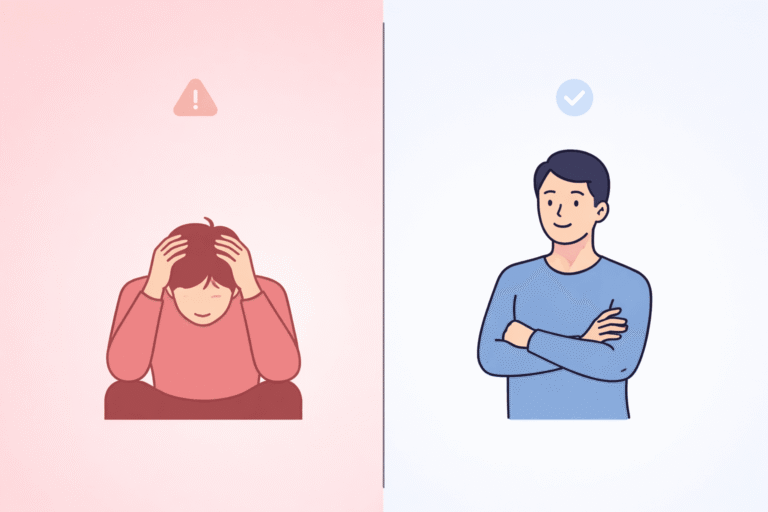
But eventually, the excitement fades.
The market becomes quiet.
Progress feels slow.
Life gets busy.
And suddenly, investing starts feeling like “work.”
This is where many investors slowly stop contributing, stop learning, and stop following their strategy.
Not because they no longer believe in investing.
Because they relied too heavily on motivation.
And motivation is temporary.

The Problem With Relying on Motivation
Motivation is emotional.
Some days you feel focused and disciplined.
Other days you feel tired, distracted, or discouraged by the market.
If your investing habits depend entirely on how motivated you feel, consistency becomes extremely difficult.
That is why successful investors usually build systems that continue working even when motivation disappears.
The goal is not to feel inspired every day.
The goal is to make consistency easier than inconsistency.
Automate As Much As Possible
One of the best ways to stay consistent is removing decision-making from the process.
Because every time you need to “decide” whether to invest this month, emotions can interfere.
This is why automation is so powerful.
For example:
- automatic monthly ETF purchases
- automatic transfers into investment accounts
- scheduled retirement contributions
- recurring deposits on payday
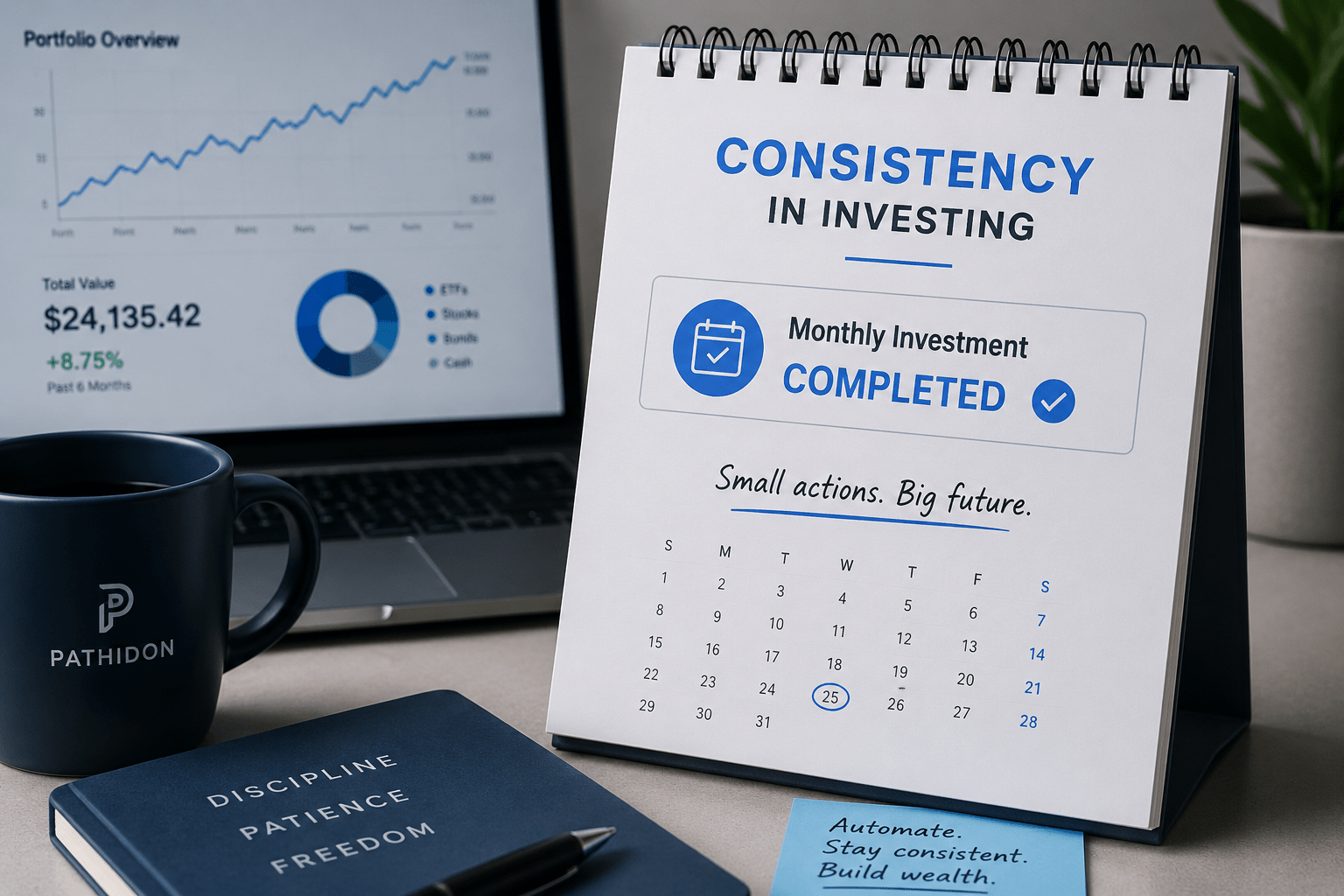
Automation turns investing from an emotional choice into a routine system.
And routines survive low-motivation periods far better than willpower.
Reduce Noise
Many investors lose consistency because they consume too much emotional market content.
Every day becomes panic headlines, hype, predictions, fear during crashes, and greed during rallies.
That constant emotional switching is exhausting.
Sometimes the best thing you can do is reduce unnecessary noise:
- check your portfolio less often
- unfollow panic-driven finance content
- avoid constant prediction videos
- limit market news consumption
The less emotional pressure you absorb daily, the easier it becomes to stay consistent.
Create a Simple Investing Schedule
Many people treat investing randomly.
They invest when they “feel like it.”
Research when they have extra motivation.
Review goals only after market crashes.
That creates inconsistency.
A better approach is creating a simple schedule.
For example:
- invest once per month
- review portfolio allocations every 3–6 months
- research new investments only on weekends
- track long-term goals quarterly instead of daily
This creates structure.
And structure reduces emotional decision-making.
Make Your Habits Small and Sustainable
A major mistake beginners make is trying to become the “perfect investor” overnight.
They try to learn everything immediately, monitor markets constantly, and invest too aggressively too quickly.
That usually becomes overwhelming.
Instead, focus on simple habits you can maintain for years:
- investing on payday
- reading one investing article weekly
- journaling emotional decisions
- increasing contributions gradually over time
Small habits may not feel impressive at first.
But long-term consistency is what creates real results.
Surround Yourself With The Right People
Your environment affects your investing behavior more than most people realize.
If everyone around you spends impulsively and treats investing as “unimportant,” staying disciplined becomes harder.
But when you surround yourself with people who:
- invest consistently
- think long-term
- discuss financial goals
- value patience
consistency starts feeling more normal.
This does not mean your friends need to be investment experts.
Even having a few friends or acquaintances interested in investing can help reinforce positive habits.
Because behavior is contagious.
The people around you influence what starts feeling “normal.”
Accept That Investing Often Feels Boring
One reason people quit is because long-term investing can feel emotionally quiet.
Especially compared to:
- meme stocks
- crypto hype cycles
- fast trading content online
But boring is not bad.
In fact, many successful investing strategies are intentionally boring.
Imagine someone consistently investing every month into:
- Vanguard Total Stock Market ETF
- Schwab U.S. Dividend Equity ETF
- Invesco QQQ Trust
for 15–20 years.
That process may not feel exciting daily.
But consistency over long periods is often what builds meaningful wealth.
The problem is that many investors quit because they confuse “boring” with “not working.”
Track Behavior, Not Just Returns
Many investors only focus on portfolio performance.
But behavior matters just as much.
For example:
- Did you stay invested during volatility?
- Did you continue contributing consistently?
- Did you avoid emotional panic selling?
- Did you follow your original plan?
Those are important wins too.
Because long-term investing success usually comes from repeated good behavior — not perfect market timing.
Final Thought
Motivation fades for everyone.
Even disciplined investors experience periods where they feel less excited, less focused, or emotionally disconnected from their goals.
The difference is that successful investors do not rely entirely on motivation.
They build systems.
They automate habits.
They reduce noise.
They create routines.
And they make investing easier to continue during low-energy periods.
Because consistency is not built during moments of excitement.
It is built during ordinary days when you continue anyway.

Stefan Theron
Founder of Pathidon
Stefan holds a degree in Psychology and an MBA, and has spent years studying behavioral finance, market psychology, and the decision-making patterns that shape how people invest — bridging the gap between financial knowledge and human behavior.