What Are Bonds? A Simple Guide to How Bonds Work in Investing
Why Bonds Are One of the Most Misunderstood Investments
When most people think about investing, they immediately think of stocks. But bonds are one of the oldest and most important building blocks in investing—used by governments, corporations, and municipalities to raise money, generate income, and manage risk.
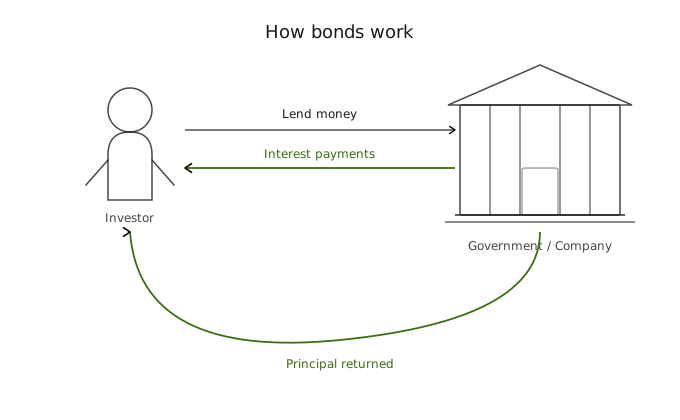
At their core, bonds are loans. When you buy a bond, you are lending money to an issuer (like the government or a company) in return for regular interest payment. After a set period of time, the issuer will return your initial investment to you.
What Exactly Is a Bond?
A bond is a fixed-income security where:
- You lend money to an issuer (government, company, or municipality)
- They pay interest (called a coupon) at set intervals
- They repay the principal (the bond’s face value) at maturity
If a bond has a face value of $1,000 and a 5% annual coupon, the issuer pays you $50 per year until the bond matures, at which point you receive your $1,000 back. Bonds have set maturity, so you know when your investment will be returned to you. Bonds are considered much safer, compared to normal stocks.
Key Components of a Bond
- Face Value (Par Value): The amount returned at maturity
- Coupon Rate: The interest paid on the bond
- Maturity Date: When the bond expires and principal is repaid
- Issuer: The borrower (government, company, or municipality)
- Yield: The bond’s actual return, which changes as its price moves
Types of Bonds
1. Government Bonds
Issued by national governments and generally considered lower risk.
Examples:
- U.S. Treasury Bonds (T-Bonds)
- Treasury Notes (T-Notes)
- Treasury Bills (T-Bills)
Government bonds can be purchased directly through official government platforms (such as the U.S. Treasury’s auction system) or via most major brokerage accounts.
2. Corporate Bonds
Issued by companies to fund operations, expansion, or acquisitions.
Examples:
- Apple Inc. Corporate Bonds
- Microsoft Corporate Bonds
- Tesla Corporate Bonds
Corporate bonds typically offer higher yields than government bonds due to increased risk.
3. Municipal Bonds
Issued by cities, states, or local governments.
Examples:
- California General Obligation Bonds
- New York City Municipal Bonds
Municipal bonds are commonly available through brokerage accounts and specialized bond platforms, and often provide tax advantages depending on the investor’s location.
Bond Lengths (Maturities)
Bonds are often grouped by how long they last:
- Short-term bonds: Mature in 1–3 years
- Intermediate-term bonds: Mature in 3–10 years
- Long-term bonds: Mature in 10–30 years
Longer-term bonds generally offer higher yields but are more sensitive to interest rate changes, while shorter-term bonds tend to be more stable due to lowered impacts of rate cuts, but pay lower interest.
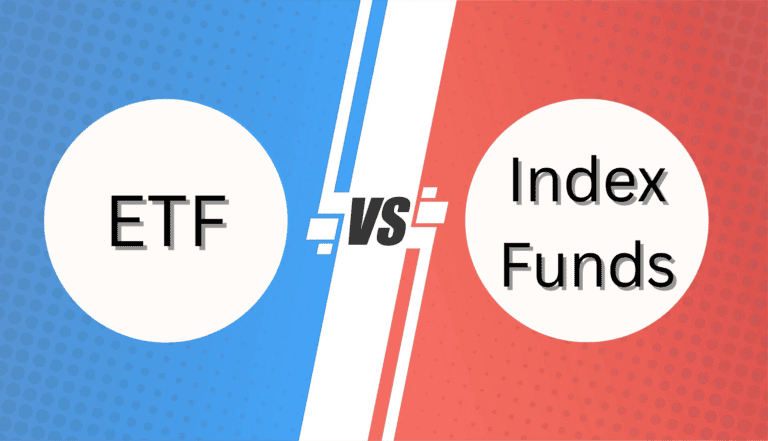
Bond Funds and ETFs
Bond ETFs allow investors to gain exposure to many bonds at once rather than buying individual bonds.
Examples:
- BND (Vanguard Total Bond Market ETF)
- AGG (iShares Core U.S. Aggregate Bond ETF)
- TLT (iShares 20+ Year Treasury Bond ETF)
A bond ETF is similar to a dividend-paying ETF in that it distributes regular income to investors, but it follows bond market rules, meaning its price is influenced by interest rates, bond maturities, and credit risk rather than company earnings growth.
Unlike individual bonds, bond ETFs do not mature; they continuously buy and sell bonds to maintain their target exposure.
How Bond Prices Work
Bond prices move opposite to interest rates:
- When interest rates rise → bond prices fall
- When interest rates fall → bond prices rise
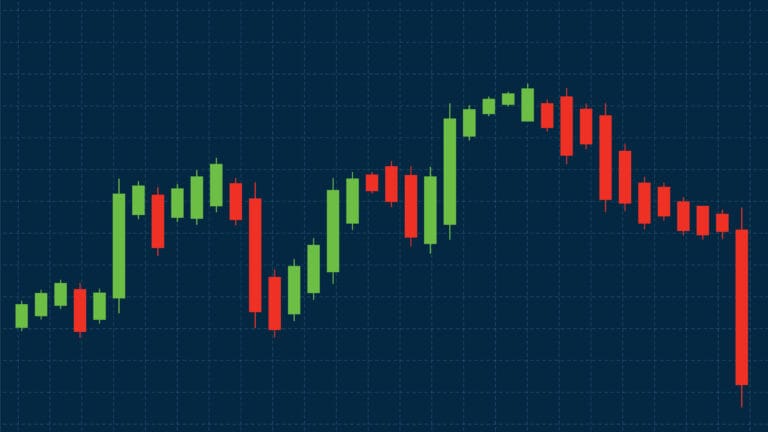
This relationship is especially important for longer-term bonds and bond ETFs. That is why long term bonds’ prices can fluctuate more. However, when compared to normal stocks and ETFs, bonds are less volatile, and more stable in uncertain times.
Why Investors Use Bonds
Investors commonly use bonds to:
- Generate steady income
- Reduce overall portfolio volatility
- Preserve capital during uncertain markets
- Balance stock market risk
Bonds often act as a stabilizing force in diversified portfolios. It is less volatile and more constant in stressful times.
The Takeaway
Bonds are not meant to be exciting; they are meant to be dependable. Their value lies in consistency and predictability, helping investors stay invested during periods of market stress rather than reacting emotionally to volatility. Bonds are the calm in the storm, and the dependable bonds, encourages calm investors.
Understanding how bonds behave builds confidence—and confidence reduces impulsive decision-making.
Final Thought
Bonds may not offer the dramatic growth of stocks, but they play a critical role in long-term investing. Whether held individually or through bond ETFs, bonds provide income, stability, and structure to a portfolio.
In investing, progress is often built quietly—and bonds are one of the clearest examples of that principle.