
How to Build Patience in Investing (Master Long-Term Thinking)
Why Long-Term Investing Feels Unnatural to the Human Brain
In investing, patience is often praised but rarely practiced. Everyone knows long-term investing works, yet few investors truly behave like long-term thinkers when markets become volatile, headlines turn negative, or portfolios temporarily decline. An investor’s patience is tested.
At the heart of long-term thinkers and investors lies one essential skill: delayed gratification. The ability to resist short-term rewards, short-term dopamine, in favor of long-term outcomes is what separates consistent investors from reactive ones. This guide explains why patience is so difficult — and how you can deliberately train it.

Why Our Brains Crave Instant Results
Human brains are not designed for compounding — they’re designed for survival, which needs instant reactions.
From an evolutionary perspective, immediate rewards increased the chances of survival. Eating now, was better than hoping to find something later. Safety now mattered more than long-term planning. That human wiring still exists today, even though financial markets reward the long-term investor.
In investing, this wiring shows up as:
- A strong emotional response to short-term gains and losses
- Anxiety when results aren’t immediate or nothing is happening
- Overreaction to recent news or price movements
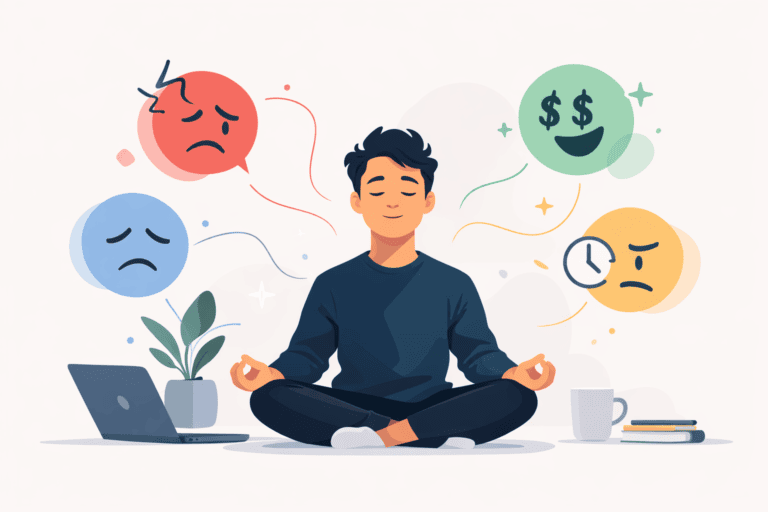
Markets reward investors who can wait, but the brain constantly pushes, even craves, for action, certainty, and feedback. This internal conflict is why long-term thinking feels unnatural, even when we logically understand it.
Delayed Gratification: The Core Skill of Long-Term Investors
Delayed gratification means choosing a bigger, later reward over a smaller, immediate one.
In investing, this shows up as:
- Holding through volatility instead of locking in short-term relief
- Reinvesting dividends instead of spending early gains
- Sticking to a long-term plan instead of chasing trends
Short-term gratification often feels like safety — selling during a downturn, taking quick profits, or constantly “doing something.” Long-term gratification feels uncomfortable because the reward is distant and uncertain. Waiting and being patient is hard on our psyche.
But history consistently shows that investors who delay gratification benefit from compounding, lower transaction costs, and fewer emotional mistakes.
How to Start Training Your Brain
It is not easy to rewire our brains, but there are ways to start planning your better future growth.
- Redefine “Doing Nothing”
- Lock in Timing
- Look Away from Rewards
- Reduce Noise
- Accept Discomfort
Long-term investors don’t avoid action — they avoid unnecessary action. Patience is an active skill that rewards the long-term thinker.
Redefine What “Doing Nothing” Really Means
Many investors confuse patience with passivity. In reality, patience is an active psychological decision.
Doing nothing doesn’t mean ignoring your investments. It means:
- Accepting short-term discomfort without reacting
- Allowing time for fundamentals to matter
- Trusting your process over your emotions
Long-term investors don’t avoid action — they avoid unnecessary action. Patience is an active skill that rewards the long-term thinker.
Lock In Your Time Horizon Before Emotions Appear
Delayed gratification fails when your time horizon silently shrinks.
You may invest with a 5–10 year mindset, but during market stress your brain shifts into days or weeks.
To protect long-term thinking:
- Write down why you invested
- Set a minimum holding period for long-term positions
- Review investments on a fixed schedule (yearly, or biannually), not in reaction to market moves
Decisions made in advance are far more rational than decisions made under stress.
Train Patience by Focusing on Process, Not Rewards
Immediate rewards feel powerful because they provide instant feedback. Long-term rewards are quieter and slower.
Patient investors shift their focus from outcomes to process:
- Choosing good stocks and ETFs over short-term (hype) performance
- Business quality over price movement
- Consistency of results over prediction
When you measure success by good decisions rather than quick profits, delayed gratification becomes easier — because progress is visible even before returns arrive.
Reduce Noise to Reduce Impatience
The more noise you consume, the harder delayed gratification becomes.
Financial media, social platforms, and constant price updates are optimized for urgency. They reinforce the basic human instinct of acting fast and seeking instant gratification.
To strengthen long-term thinking:
- Limit how often you check prices
- Reduce exposure to emotionally charged financial content
- Create distance between information and action
- Evaluate information, evaluate numbers, and discuss before acting
Quiet environments make patient behavior sustainable.
Accept Discomfort as the Price of Long-Term Rewards
Delayed gratification doesn’t eliminate discomfort — it requires it.
Every long-term investor experiences:
- Periods of boredom
- Price pullbacks that test conviction
- Long stretches where nothing exciting happens
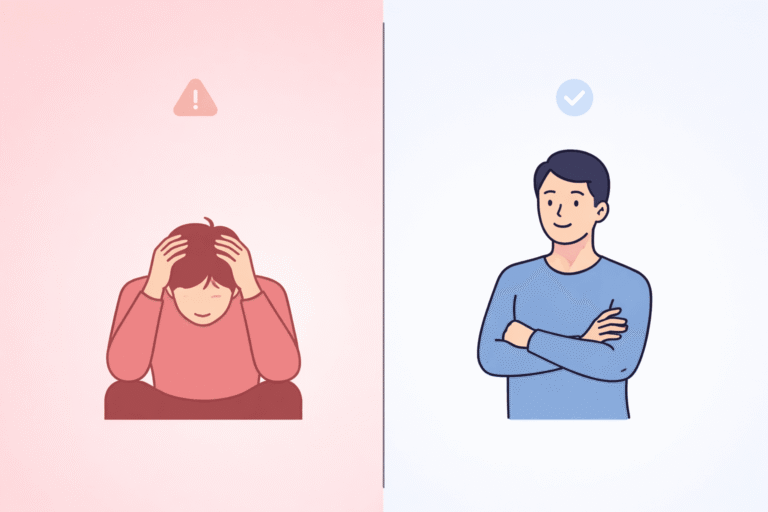
Discomfort is not a failure. It’s proof that you’re resisting short-term impulses in favor of long-term outcomes. Embrace that discomfort as a sign of progress.
Final Thought
Patience in investing is not about waiting blindly — it’s about mastering delayed gratification in a world designed for instant results. Fighting against that normal urge to sell when prices drop, or to follow over-hyped news, that is the sign of a true long term (and smart) investor.
Markets reward those who can override their natural instincts, tolerate discomfort, and stay consistent while others react emotionally. Be the person others look up when times are tough.
In the long run, the ability to wait — calmly, intentionally, and repeatedly — becomes one of the most powerful edges an investor can develop.