
How the Stock Market Works: A Beginner’s Guide
The stock market is not as mysterious as you think.
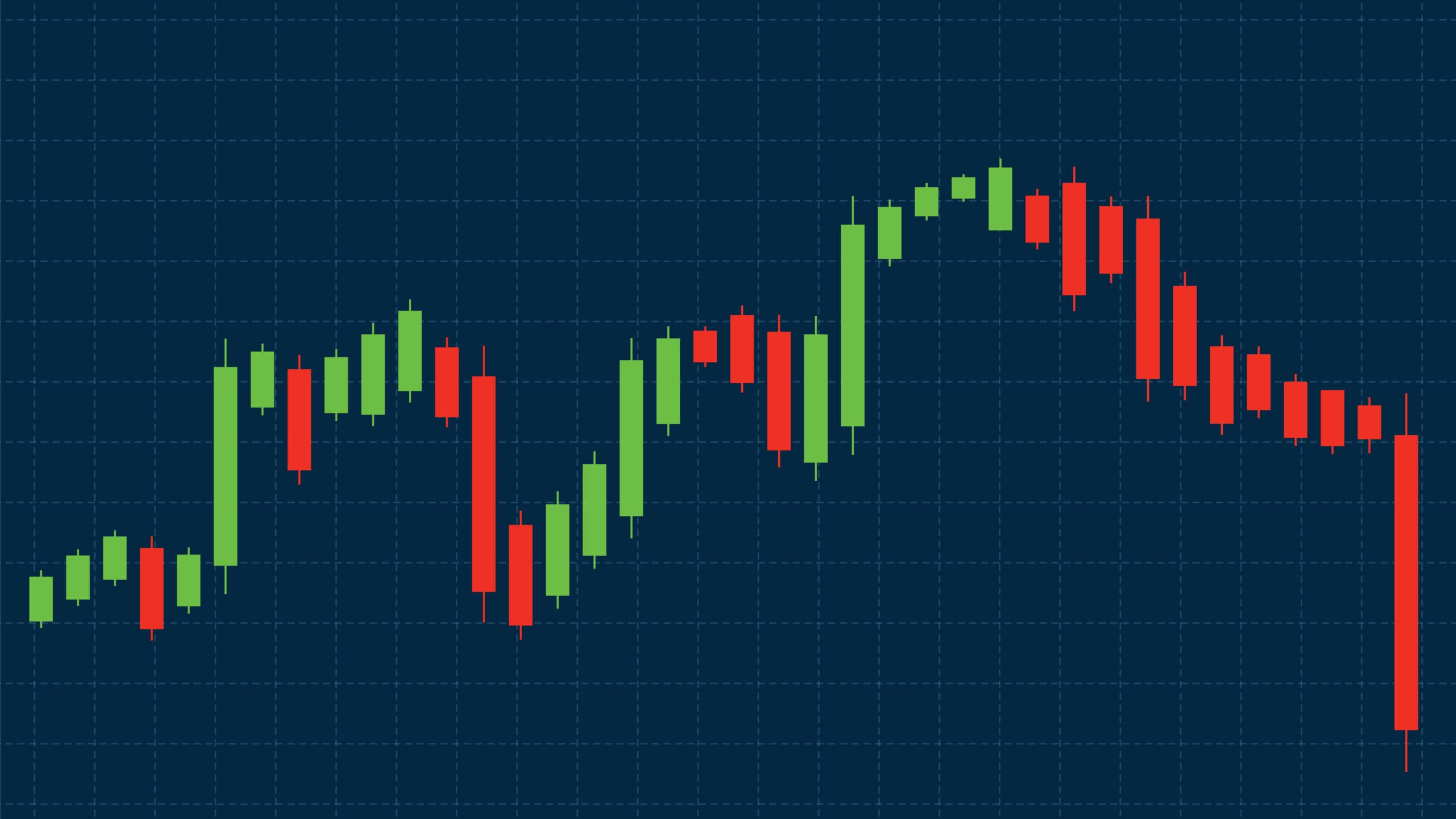
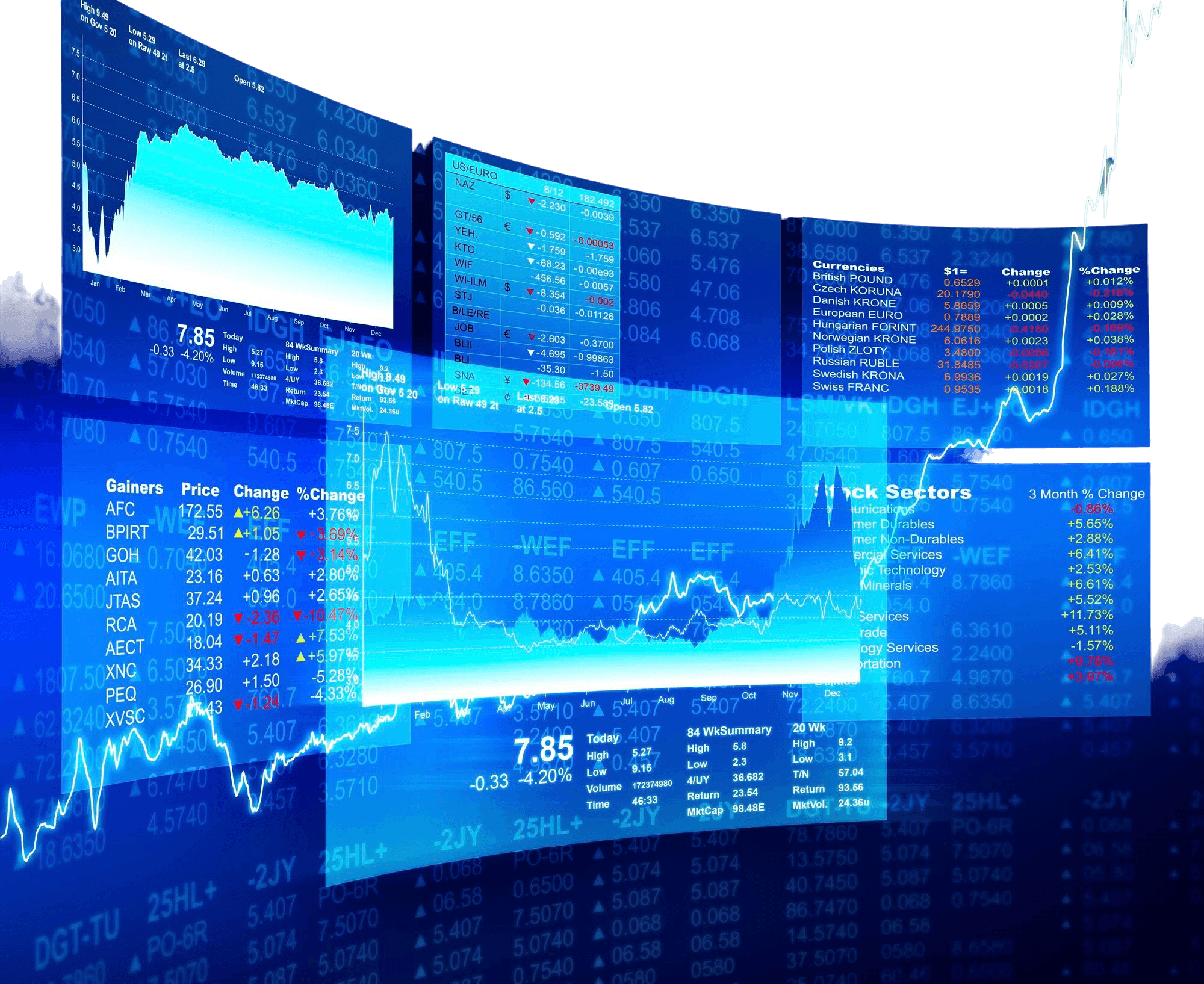
Most people hear “stock market” and imagine a blur of charts, shouting traders, and endless red and green numbers.
But underneath all the noise, the stock market is surprisingly simple.
It’s not a mystery. It’s a system — built by people, run by people, and moved by people’s beliefs.
Let’s look at how it actually works — step by step.
The Market Is a Place to Buy and Sell Ownership
The stock market is just a big marketplace — like a digital version of buying and selling fruit at a stand.
Only here, instead of apples or oranges, people trade tiny pieces of companies, called shares.
If you buy a share of Apple, Amazon, or even an ETF, you’re buying a piece of that company or that fund.
You become a shareholder — someone who shares in its profits, losses, and future.
That’s all it really is: a place where you can be a part of a company.
“A stock isn’t a bet. It’s a piece of a business.”
Companies Use the Market to Raise Money
So why do companies sell shares in the first place?
To raise money.
When a company wants to grow — build new stores, hire staff, or develop products — it can borrow money (through loans from a bank) or sell ownership to investors. Like you!
When it sells those pieces publicly for the first time, it’s called an IPO — an Initial Public Offering.
From that moment on, the shares trade freely on the stock market, so anyone can be a part of the company and help the company raise funds.
Buyers and Sellers Set the Price
Here’s where things get interesting:
No one person sets stock prices — they’re set by supply and demand.
If more people want to buy a stock than sell it, the price goes up.
If more people want to sell than buy, the price goes down.
Every second of every day, millions of these tiny decisions happen at once — and together, they create what we call “the market price.”
It’s not fixed, it’s not random — it’s a living reflection of what people think a company is worth right in the moment.
The Market Reacts to Expectations, Not Just Facts
Here’s where psychology steps in.
The stock market doesn’t move only on real results — it moves on expectations.
Investors try to predict what companies might earn in the future.
- If people expect good things, they buy early — pushing prices up.
- If they expect bad things, they sell — pulling prices down.
That’s why sometimes a company reports “record profits,” but the stock still falls — because investors had expected even better.
The market is constantly pricing in what people believe will happen next.
The Market Is Like a Daily Voting Machine
You can think of the market as a giant voting booth.
Every day, investors vote with their money on what they believe each company is worth.
Those votes — millions per minute — create the short-term ups and downs.
But over time, those votes start to align with the company’s real results.
A strong business earns more “votes” and rises; a weak one loses them and falls.
Stock Exchanges Keep It All Organized
The “stock market” isn’t one single place — it’s made up of many exchanges.
Examples include:
- NYSE (New York Stock Exchange)
- NASDAQ
- London Stock Exchange
- KOSPI (Korea)
Each exchange is a platform that connects buyers and sellers, companies and investors, makes sure trades are fair, and reports prices in real time.
When you buy or sell through an app or broker, that trade happens through one of these exchanges.
The Market Reflects Human Emotion
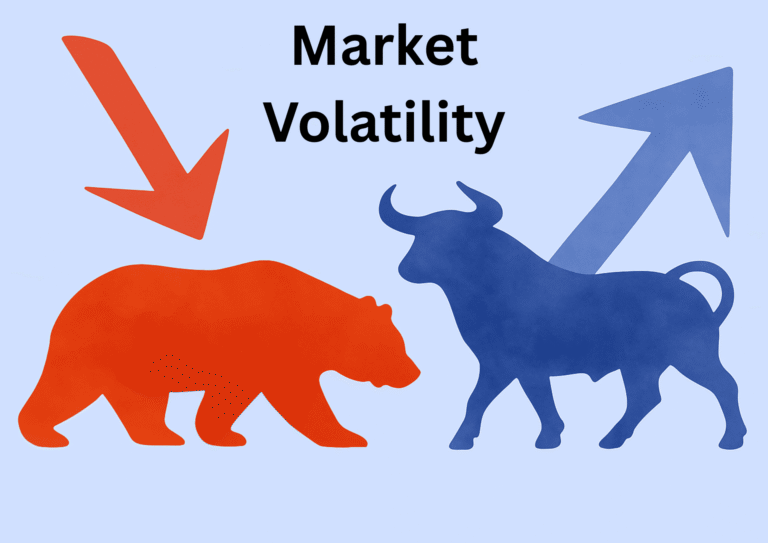
Though it’s built on numbers, the market runs on emotion — hope, fear, excitement, and worry.
When investors feel confident, they buy.
When they feel uncertain, they sell.
That’s why headlines and world events cause instant reactions.
Underneath all the math, the market is really a collective mood chart for human belief in the future.
💭 “The market moves with money — but it breathes with emotion.”
Over Time, Value Matters Most
In the short term, the market can act like a popularity contest. But that is the short term.
In the long term, companies that make real profits tend to rise in value. So choose value, over hype.
Investors eventually look past emotion and focus on what truly matters:
- Is this company growing?
- Is it earning more?
- Does it manage money well?
That’s why the market works in the long run — because real results eventually win out over short-term emotion.
The Market Connects Everyone
The market links millions of people — from individual savers to giant institutions — all around the world.
When you invest, you’re joining a global system where your belief in the future helps fund innovation, jobs, and progress.
That’s how businesses grow — and how wealth gets created over time.
The Stock Market Works Because People Believe It Works
The whole system functions because people trust that others will keep showing up to buy, sell, and build.
That’s why understanding how it works helps remove fear — because it’s not random or rigged.
It’s simply a global network of human decisions, repeated every second, every day, all over the world.
The Pathidon Takeaway
The stock market isn’t a casino or a mystery — it’s a living, breathing system built on people trading pieces of the future.
Once you understand that, the noise starts to fade — and you can see the market for what it really is: a reflection of human belief, organized into numbers.
Pathidon Insight:
When you stop seeing the market as unpredictable and start seeing it as human, everything begins to make sense.
3 Comments