Why People Make Bad Investing Decisions: The Psychology Behind Costly Mistakes
Why Smart Investors Still Make Irrational Decisions
Investing feels logical on the surface. We look at numbers, charts, earnings reports, and economic data. Yet time and again, investors make decisions that sabotage their own returns — chasing hype, panic-selling at the worst moment, or stubbornly holding onto losing positions.
The uncomfortable truth is this:
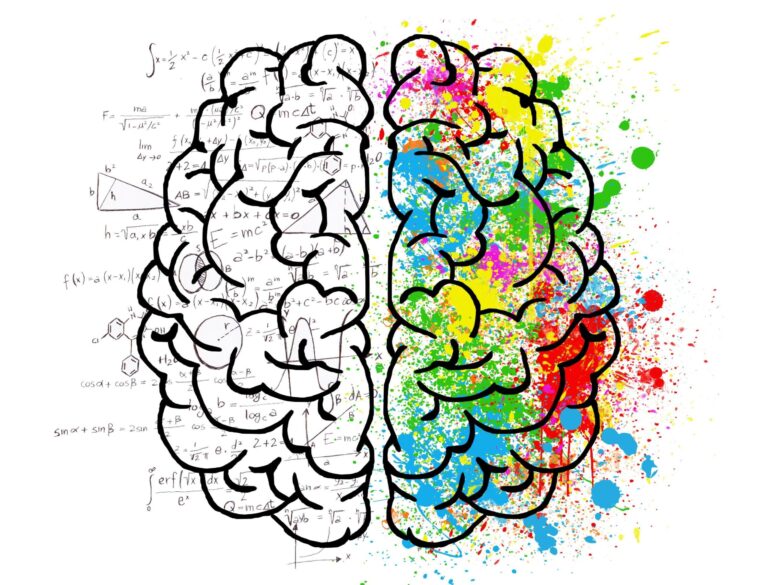
Most bad investing decisions aren’t caused by a lack of information — they’re caused by how our brains process information.
Our brains evolved to keep us alive, from beasts and danger, not to help us compound wealth over decades. Understanding this mismatch is the first step toward becoming a better investor.

The Brain vs. The Market: A Mismatch From the Start
Imagine walking through a shopping mall during a massive sale.
Red signs scream “70% OFF!”
Crowds gather around certain stores.
You feel pressure to buy now before the deal disappears.
You weren’t planning to buy anything — but suddenly, you’re convinced this is an opportunity you can’t miss.
That same psychological wiring shows up in the stock market.
Stocks become the “sale items.” The green signs make you want to buy.
Price movements become the “limited-time offers.”
And social media becomes the crowd rushing toward one store.
The market triggers instincts designed for survival and social belonging — not long-term thinking.
Confirmation Bias: Seeing Only What We Want to See
Once we form an opinion about a stock, our brain quietly switches from seeking truth to seeking validation.
This is confirmation bias.
If you believe a company is a great investment:
- You notice bullish news articles
- You follow analysts who agree with you
- You dismiss negative information as “noise” or “short-term fear”
It’s like Googling “Why this diet works” instead of “Does this diet actually work?”
In investing, confirmation bias locks us into positions long after the facts have changed — because admitting we’re wrong feels psychologically painful.
Anchoring: Getting Stuck on the Wrong Number
Anchoring happens when we fixate on a specific reference point — usually a price.
“I’ll sell when it gets back to $100.”
“It used to trade at $300 — it’s cheap now.”
That original number becomes a mental anchor, even if it has nothing to do with the company’s current reality. The company can be stronger or weaker, even if the ticker is green.
It’s similar to seeing a jacket originally priced at $500 marked down to $250. It feels cheap — even if $250 is still overpriced.
Markets don’t care what a stock used to be worth. Anchoring can trap investors in bad decisions based on outdated information.
Recency Bias: Assuming the Present Will Last Forever
Recency bias makes us believe that whatever just happened will keep happening.
When markets are rising:
- We expect more gains
- Risk feels low
- Caution feels unnecessary
When markets fall:
- Fear takes over
- Long-term plans are abandoned
- Selling feels urgent and rational
This is why investors often buy near peaks and sell near bottoms — they mistake recent trends for permanent truths. The stock market is not a stone, it is more of a wave, constantly rising and falling.
It’s like assuming summer will never end because the last few days were hot.
Herd Behavior: Why We Chase What Everyone Else Is Buying
Humans are social creatures. For most of history, sticking with the group meant survival.
In markets, that instinct becomes herd behavior.
If everyone is talking about a stock:
- It feels safer to own it
- Not owning it feels like missing out
- Skepticism feels lonely
This is why bubbles form — not because everyone is irrational, but because no one wants to be the only one left behind.
We chase stocks the same way we chase sales at the mall:
“If everyone else is rushing there, it must be good.”
Why Knowing Biases Isn’t Enough
Here’s the tricky part:
Simply knowing about cognitive biases doesn’t make you immune to them.
Even professional investors fall into the same traps — often with more confidence.
What actually helps is:
- Slowing down decisions
- Creating rules before emotions appear
- Measuring outcomes instead of narratives
- Accepting discomfort as part of long-term investing
Good investing isn’t about being emotionless.
It’s about recognizing when your brain is trying to protect your feelings instead of your portfolio.
Final Thought
The market doesn’t exploit our lack of intelligence — it exploits our humanity.
Our brains are wired for speed, certainty, and social belonging. Successful investing requires patience, uncertainty, and independence. The gap between those two worlds is where most mistakes happen.
At Pathidon, the goal isn’t to outsmart the market — it’s to outsmart the instincts that quietly sabotage us within it.
When you learn how your brain tricks you, you stop reacting — and start investing with intention.

Stefan Theron
Founder of Pathidon
Stefan holds a degree in Psychology and an MBA, and has spent years studying behavioral finance, market psychology, and the decision-making patterns that shape how people invest — bridging the gap between financial knowledge and human behavior.