Market Volatility Explained: Why It’s Normal and Necessary for Investors
Understanding Why Market Ups and Downs Are Essential for Long-Term Investing
If you’re new to investing, one of the first things you’ll notice is that markets don’t move in a straight line.
Prices go up. Prices go down.
Sometimes they swing wildly for no obvious reason.
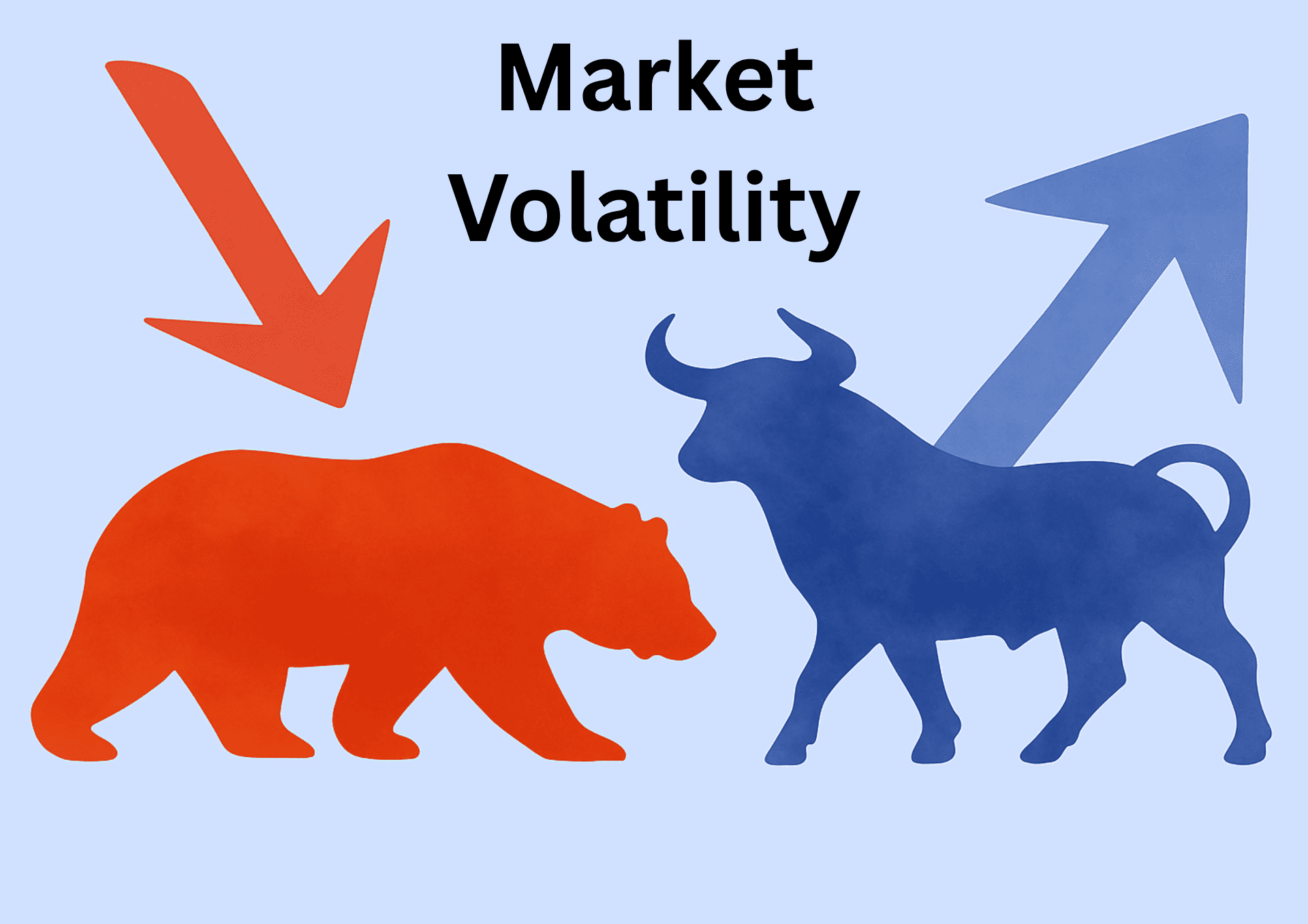
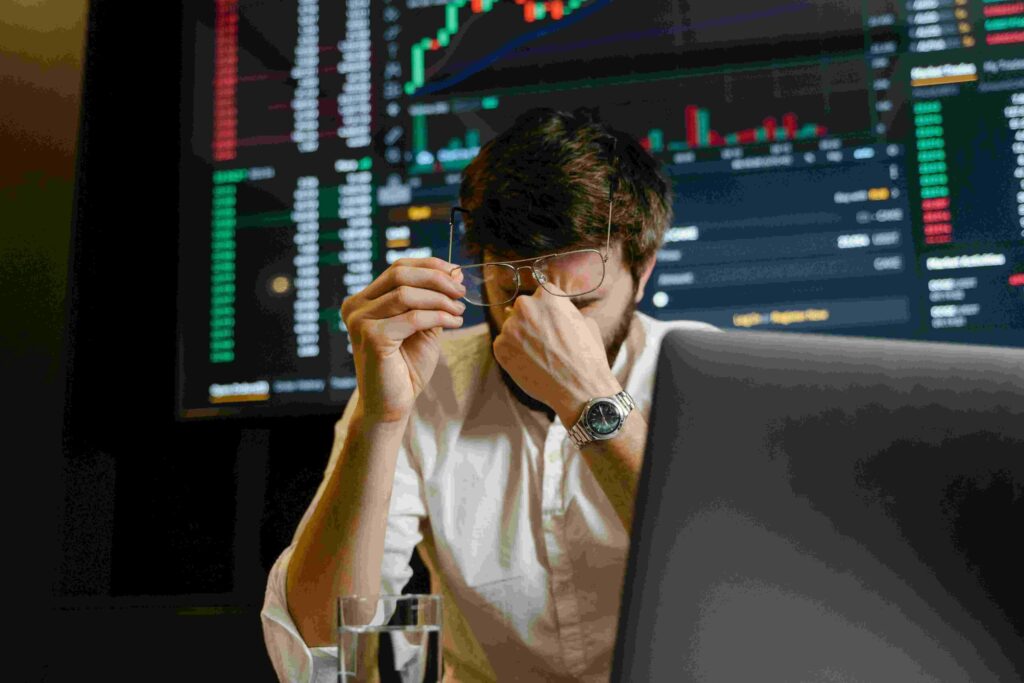
This movement — the ups and downs of prices — is called market volatility. And while it can look (and feel) scary at first, volatility is not a flaw in the system. It’s a normal and necessary part of investing.
Something to note, investing is more like watching a long TV series than a single episode. Individual episodes may be slow, dramatic, or frustrating — but what matters is the full season, not one scene.
Let’s break it down.
What Is Market Volatility?
Market volatility simply means how much prices change over time.
- A calm market: prices move slowly and steadily
- A volatile market: prices move up and down quickly or sharply
Volatility happens every day, every year, and in every market — stocks, bonds, crypto, and even housing.
Importantly, volatility does not automatically mean something is wrong.
Why Markets Go Up and Down
Markets move because investors are constantly reacting to new information:
- Company earnings reports
- Interest rate changes
- Economic data
- News events
- Fear, excitement, or uncertainty
Millions of people are buying and selling at the same time, each with different goals, emotions, and time horizons. That constant push and pull causes prices to move.
In other words:
Markets fluctuate because humans do.
Why Volatility Is Actually Necessary
It might sound strange, but without volatility, investing wouldn’t work.
Here’s why:
- Opportunities come from price changes
If prices never moved, there would be no chance to buy low or benefit from growth. So prices do need to go down, in order to actually build back up and allow people to benefit. - Risk is rewarded over time
Investors earn higher returns because they accept short-term ups and downs. If people are able to understand investing as a whole, the will survive the short ups and downs, and finally be rewarded with better returns. - Markets stay healthy
Volatility helps reprice assets realistically instead of letting bubbles grow endlessly. In other words, bubbles aren’t endless, but drops aren’t either.
A market that never falls would be far more dangerous than one that occasionally does.
Volatility vs. Loss (They’re Not the Same)
One common beginner mistake is confusing volatility with permanent loss.
- Volatility = temporary price movement
- Loss = selling at a lower price than you paid
As long as you don’t sell, short-term drops are usually just paper losses, not real ones.
Historically, markets have experienced countless declines — and yet, over long periods, they’ve continued to grow. The long term investor will benefit from staying smart and riding through market volatility.
The Psychological Side: Why Volatility Feels Worse Than It Is
Our brains are not wired for volatility.
- We feel losses more strongly than gains
- We assume recent drops will continue forever
- We want certainty, even when none exists
This is why market drops often feel personal or catastrophic — even when they’re normal. The fear you feel during a drop is real — but it doesn’t mean something is broken.
The discomfort comes not from volatility itself, but from how our brains interpret uncertainty. Stick to your rules, stick to your plan, and you will overcome the market volatility. Remember, Market Volatility is part of the ride, just remember the goal.
Final Thought
Market volatility is not something to fear — it’s something to understand.
Ups and downs are the price investors pay for long-term growth. When you expect volatility instead of being surprised by it, market movements become less emotional and more manageable.
Investing isn’t about avoiding volatility.
It’s about learning to stay steady while the market moves.

Stefan Theron
Founder of Pathidon
Stefan holds a degree in Psychology and an MBA, and has spent years studying behavioral finance, market psychology, and the decision-making patterns that shape how people invest — bridging the gap between financial knowledge and human behavior.