Investing Psychology: The Hidden Emotions Behind Every Investment Decision
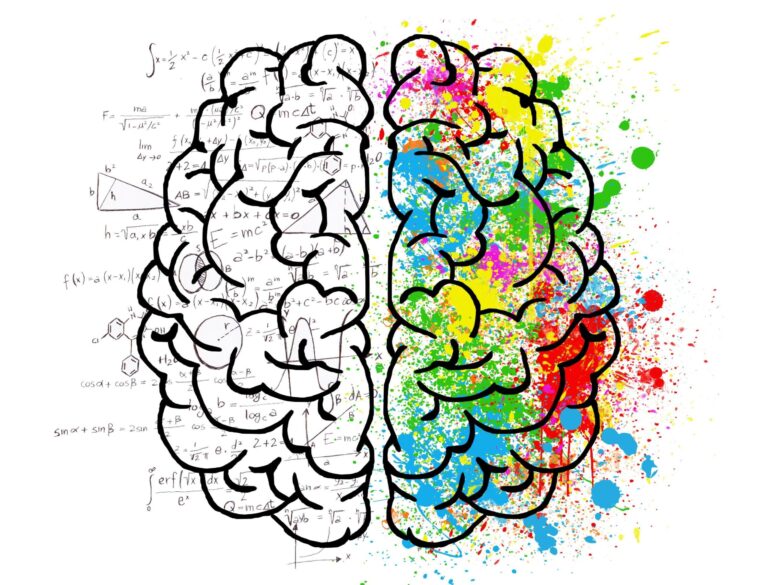
Investing is more Psychology than Strategy
Most people think investing is about knowing what to buy, when to buy, and when to sell.
But the truth . . .
Investing is 80% psychology and only 20% strategy.
Every click, every hesitation, every “maybe later” — it’s not just data . . . It’s emotion.
And if you can understand the emotions that appear along your investing journey, you can start making calmer, more confident choices.
Stage 1: The Beginning — Fear and Doubt
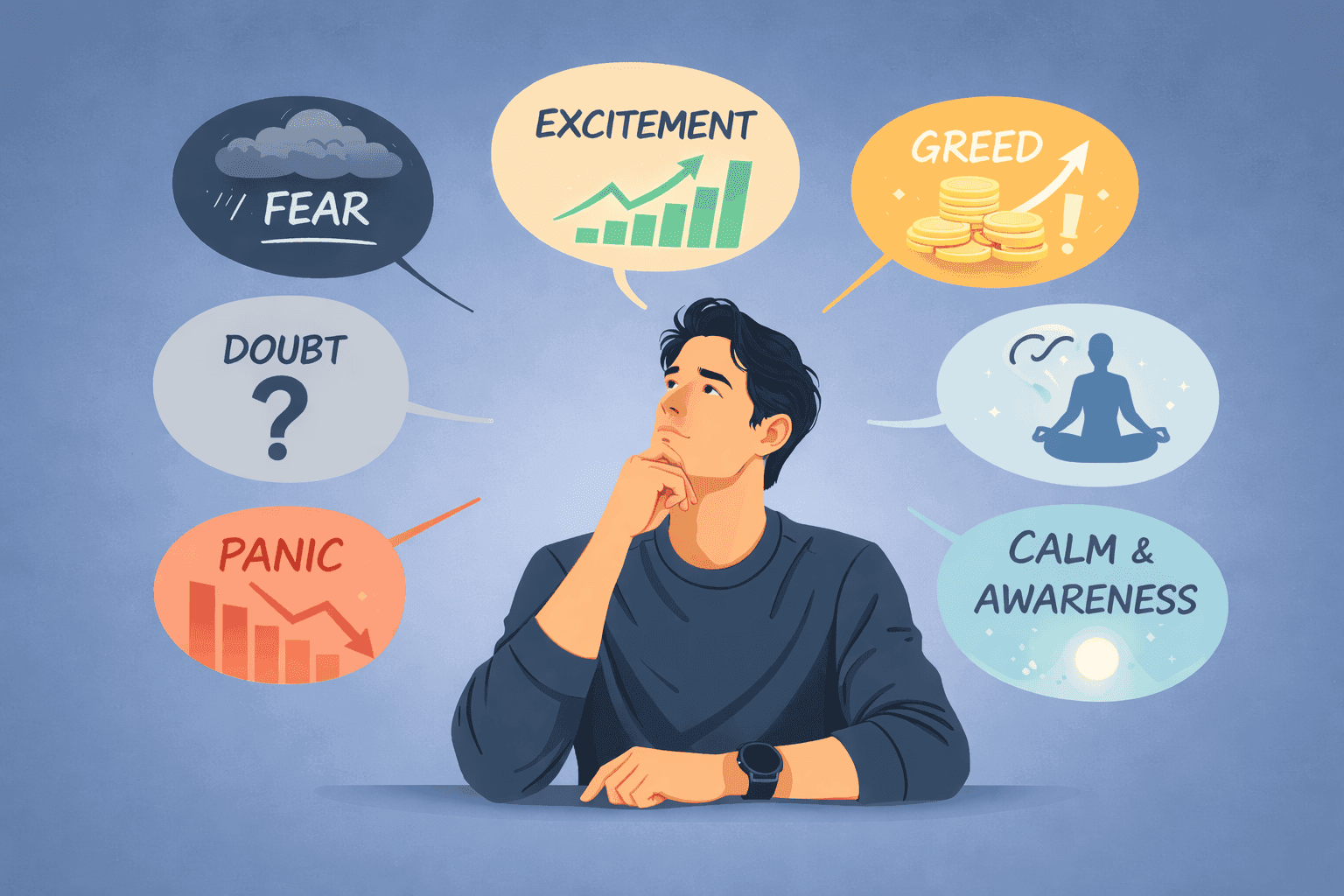
When you first start investing, the biggest emotion isn’t excitement — it’s fear.
Fear of losing money.
Fear of not knowing enough.
Fear of making a mistake.
This is where loss aversion shows up — our natural tendency to feel the pain of losing money more strongly than the joy of gaining it.
So we wait. We overthink. We stay in “research mode” forever.
💡 You can’t remove fear from the start — but you can name it.
Being honest about the fear makes it smaller.
And taking even one small, safe step — like buying your first ETF — begins to replace fear with experience. Experience is the only thing that can help you move on from that initial fear.
How to use it:
When you feel that fear rise, shrink the decision. Start with a small, low-risk investment — not to grow wealth, but to build familiarity. Fear fades fastest through small actions.
Stage 2: The Growth — Excitement and Greed
Once you’ve started and your investments begin to rise, fear fades… and greed quietly takes its place.
Suddenly, the red numbers are gone, replaced by green — and confidence feels like control.
That’s when overconfidence bias sneaks in.
You start believing your success is proof that you “just know” the market.
You add more. You take bigger risks, because of course, look at all those green numbers.
But remember — the market rewards discipline, not emotion.
Greed is just fear in disguise: the fear of missing out.
💡 The calm investor enjoys the excitement, but pauses before reacting.
They remind themselves: markets rise and fall — and patience wins in the long run.
How to use it:
When you feel overconfident, write down why you want to buy more. If your reason starts with “I don’t want to miss out,” pause. Wait one day. Most emotional decisions fade after 24 hours.
Stage 3: The Drop — Panic and Regret
Every investor faces this stage eventually. Every. Investor.
The market falls, and the calm you once had starts to shake. The red numbers appear.
You watch your balance drop, and suddenly, that old fear returns — this time mixed with regret.
You wish you had sold earlier. You wish you hadn’t become greedy.
You’ve promised yourself you’ll “never let this happen again.”
But this is where emotional strength truly forms.
Because how you respond in a down market defines the kind of investor you become.
💡 You can’t control the waves — only how you ride them.
The persistent investor who stays steady through the fall is the one who benefits when the tide turns again.
How to manage it:
When panic hits, zoom out. Look at a 5- or 10-year chart of the market. It reminds you that every fall in history has eventually turned into a rise. Perspective restores calm.
Stage 4: The Reflection — Awareness and Growth
After months or years of investing, you begin to see the pattern:
Fear at the start.
Excitement during growth.
Panic in the fall.
Regret in reflection.
Relief in the rebounding.
And then something shifts — you start to recognize your emotions as part of the process, not as problems.
That’s the birth of emotional awareness.
It’s when you stop asking, “How do I avoid feeling this way?”
and start asking, “What is this feeling trying to tell me?”
💡 You can’t remove emotion from investing — but you can learn to recognize it.
That recognition is your edge.
How to strengthen it:
Keep an investment journal.
Each time you make or avoid a decision, write what emotion you felt. Over time, you’ll see patterns — and emotional patterns are the clearest map to better investing.
The Calm Investor’s Secret
The calm investor isn’t emotionless.
They feel fear, excitement, and doubt — just like everyone else.
The difference is, they see it happening. They understand what to do with their emotions.
They know fear makes them cautious.
They know excitement makes them impulsive.
They know regret makes them reactive.
And by understanding these emotions, they transform them from enemies into teachers.
That’s the real secret — calm doesn’t come from avoiding emotion.
It comes from understanding it and using it.
Final Thought
Every investor feels emotion — the calm ones just learn to listen to it.
So start small.
Notice your emotions.
Act with awareness, not reaction.
That’s where confidence — and real investing growth — begins.

Stefan Theron
Founder of Pathidon
Stefan holds a degree in Psychology and an MBA, and has spent years studying behavioral finance, market psychology, and the decision-making patterns that shape how people invest — bridging the gap between financial knowledge and human behavior.